
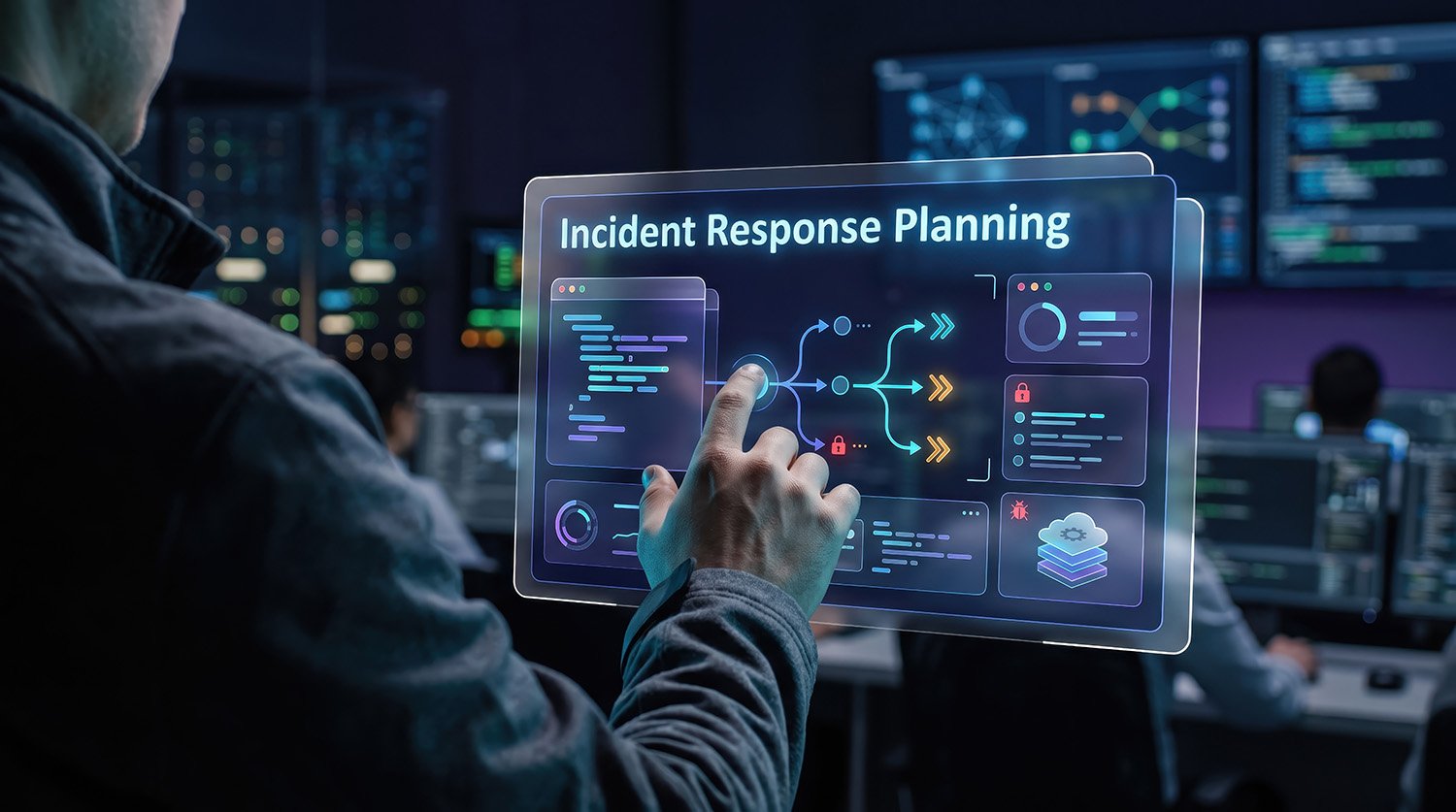
It’s 10:47 p.m. on a Saturday. Your finance manager is on a beach with limited signal. The IT lead is at a family event. Your operations director has their phone on silent. Somewhere inside your network, suspicious activity has just triggered an alert. Without clearly defined incident response roles, who’s going to do something about it? Who’s in charge? More importantly, would your team immediately know what happens next?
Situations like these happen more frequently than most businesses realize. However, many organizations in Milwaukee only discover the problem during a real incident, as their cybersecurity roles and responsibilities were never clearly defined in the first place.
When incident response roles are unclear, even a small security alert can quickly turn into a major business disruption.
The After-Hours Breach Scenario No One Plans for
An automated alert flags suspicious login behavior from an overseas IP address. The monitoring tool sends an alert to a shared inbox, but no one reviews it until Monday morning.
Two hours later, files begin encrypting on a server. A night-shift supervisor notices systems running slowly and calls the on-call facilities number, unsure who else to contact.
Now the questions start piling up:
- Who has the authority to shut systems down?
- Who decides whether to disconnect remote access?
- Who contacts your IT provider or security vendor?
- Who informs leadership, and how urgent is it?
Without clear incident response decision-making, valuable time slips away. Every minute of hesitation gives attackers more room to move, spread, and cause damage.
Confusion Is the Biggest Incident Response Threat
Most cyber incidents wouldn’t blow up so much if action were taken immediately.
Systems must be shut down, critical issues must be escalated, and third-party providers must be contacted right away. But when ownership is unclear, teams often hesitate while trying to determine who can approve the next step.
So what happens? A manageable event becomes a full-scale disruption. But what’s even scarier is that the impact isn’t just technical. Delays that appear minor can lead to bigger problems, highlighting the importance of risk mitigation planning:
- Longer downtime and lost revenue
- Greater data exposure and compliance consequences
- Higher recovery costs and reputational damage
Attackers understand this reality. That’s why many cyberattacks occur during evenings, weekends, and holidays – when staffing levels are lower, and IT escalation planning is less clear.
What Incident Response Roles Should Every Organization Define?
Some organizations require a more complex crisis response structure, while others would do with a simpler one. But these four core roles are a must:
Decision-Maker
A senior leader authorized to approve containment actions such as isolating systems or disabling access.
Technical Responder
IT or cybersecurity professionals are responsible for investigating alerts and executing the technical response.
Communications Lead
The person responsible for updating security leadership and coordinating internal or external communications, if needed.
Escalation Authority
Someone who determines when an incident must be elevated to executives, legal advisors, or external cybersecurity specialists.
When these responsibilities are documented in advance as part of a clear response workflow, organizations maintain operational continuity even when key staff members are away.
Where MSPs Change the Story
You know the lull before the storm? Managed service providers and co-managed IT partners can help define incident response roles way before that. They do it by documenting:
- Who is authorized to declare a security incident
- Who can approve shutdowns or network isolation
- Who contacts legal, insurance, and vendors
- Who communicates with staff and customers
Going one step further, they also help design practical after-hours security response procedures that strengthen cyber incident management, ensuring alerts are seen, triaged, and acted on – even when your internal team is offline.
So, instead of scrambling to assign responsibility during a crisis, everyone already knows their role. This produces a very positive domino effect: decisions happen faster, containment starts sooner, and ultimately, recoverybecomes more controlled and less chaotic.
Ensuring Clarity before Crisis Strikes
With clear breach response accountability, the next time an alert fires at 10:47 p.m., teams spend less time figuring out responsibilities and more time responding effectively. Authority has been pre-approved and escalation paths are well documented, so everyone knows what to do. Key contacts will also be very easy to find and notify.
This kind of clarity is also an important part of a broader business resilience strategy, spelling the difference between a minor security event and a business-wide disruption. For a clearer look at how businesses maintaincybersecurity coverage during vacations and staffing shortages, see our guide: How Do Summer Cybersecurity Risks Impact Business Continuity?
If you’re not completely confident your team could answer, “Who’s in charge right now?” After hours, it’s time to define those roles.
Not sure how gaps in response ownership could impact your business? Start by understanding your risk exposure using the Cyber Risk Exposure Calculator.
Then use the Cyber Incident Survival Guide to define response ownership, escalation paths, and the first actions leadership teams should take during an incident.
Frequently Asked Questions
Q: What causes confusion during a cyber incident?
A: Confusion often happens when businesses have not clearly assigned response responsibilities ahead of time.
Q: Why should leadership teams be involved in incident planning?
A: Leadership teams often need to approve important decisions during incidents, especially when operations are affected.
Q: What are co-managed IT services?
A: Co-managed IT services provide outside support while internal IT teams remain involved in daily management and decision-making.